
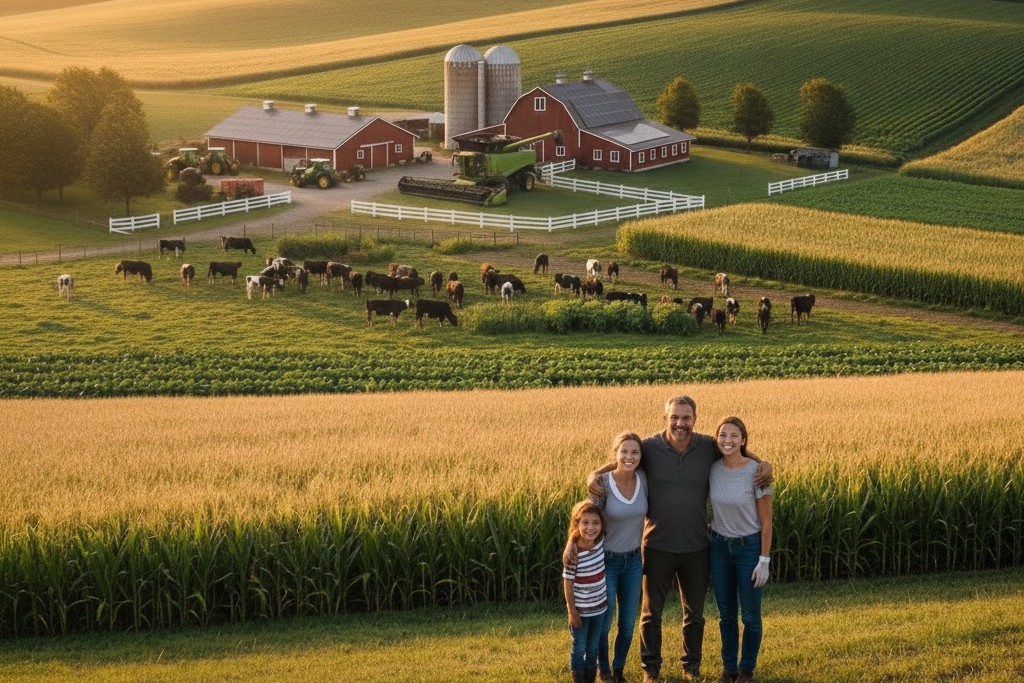
Farming may seem complicated, especially if you’re starting. There’s a lot of information available, which can feel overwhelming. However, farming can also be very rewarding. Imagine waking up to fresh air, working with your hands, and seeing the results of your efforts.
Whether you want to grow crops, raise animals, or both, having a good plan and the right tools can make a big difference.
As you start your farming journey, it’s essential to have a clear plan and a willingness to learn. Every farm is different, with its own challenges and rewards. Learning the basics can help you succeed. Let’s look at how to create a thriving farm from the ground up!
Crops or Livestock
Before you start, decide what to focus on. Do you want to grow crops, raise livestock, or do both? Each choice requires different skills and offers distinct rewards. If you choose crops, consider what grows well in your area and what sells well in the market. Popular options include vegetables, fruits, and grains, but specialty crops can also be profitable.
If you prefer livestock, consider the space you have and how much time you can commit. Chickens, goats, and cattle have specific needs and management styles. Starting small can help you learn and expand later.
Site Selection
Picking the right location is key. Make sure the land gets enough sunlight, has access to water, and has good soil quality. These factors will affect what you can grow or raise. Do a soil test to find out nutrient levels and pH balance.
If you plan to sell your produce, being close to local markets, grocery stores, or restaurants can help you reach customers easily. Planning for future growth or facilities, such as storage, can also be helpful as you expand.
Getting Equipped
Having the right tools is essential for efficiency and productivity. You don’t need to spend a lot of money on fancy machines at first. Practical and straightforward tools work well. Hand tools like shovels, rakes, and hoes are great for small farming. If you plan to grow your farm, a good tractor is a significant investment.
Think about systems that can improve your farming. For example, a barn exhaust fan helps keep the air fresh for your animals by reducing heat and humidity. Good ventilation supports their health and makes it more comfortable for you and your livestock.
Regular maintenance is essential for any equipment. Keeping an eye on your tools and fixing minor issues can help you avoid costly repairs later.
Field Organization
A smart layout can boost productivity. Arrange your fields, pastures, and animal areas to optimize workflow. Use crop rotation and companion planting to increase your yields and keep the soil healthy. This helps you use the land wisely and reduces pest problems.
For livestock, enough space is crucial, not only for their comfort but also to lower their stress. Rotational grazing techniques can also improve pasture quality and support ecological balance.
Storage Solutions
Storage is also important. You need a place to keep tools, seeds, and harvested crops. Good storage saves you time and keeps your goods in good condition. Consider building a barn or investing in a storage system. Organized storage prevents spoilage and makes your farming more efficient.
Connecting with Others
The farming community offers excellent support. Building relationships with local farmers, agricultural experts, and suppliers can help you succeed. Attend local farming events, workshops, or join online groups to share ideas, learn, and get encouragement from others.
Don’t hesitate to ask for help. Family and friends can support you, especially during busy times. Working together can lead to shared resources, like equipment or market access, which can boost your efforts.
Learning and Adapting
Farming is a continuous learning process. Stay curious! Read books, watch videos, and take classes to improve your knowledge. Each season brings new chances and lessons, from pest control to understanding crop cycles.
Being flexible lets you adjust to challenges and take advantage of new opportunities. Keep a growth-oriented, open mindset, and you’ll find it easier to navigate the farming journey.
Dive into your farming journey with purpose and enthusiasm. Enjoy the process, value each learning experience, and most importantly, have fun growing! Remember, patience and persistence are essential in this endeavour. Every step you take brings you closer to making your vision a reality.