In a world where industries evolve daily and new challenges emerge just as quickly, people are turning their attention toward skills that once existed outside the classroom.
It’s no surprise that essential real-world abilities like emergency response, financial literacy, problem-solving, and even hands-on trades are becoming just as valuable as formal academic credentials.
And for many learners, taking a CPR course Brampton or enrolling in first aid programs has become part of this new wave of practical education. Even if your long-term goals aren’t related to healthcare, gaining skills that improve independence, safety, and resilience matters more than ever.
Traditional Education Isn’t Enough Anymore
For decades, the focus has been on academic success—degrees, diplomas, and professional certifications. While those remain essential, they no longer cover the wide range of competencies needed to navigate modern life.
Schools often teach theories, concepts, and structured curriculums but may overlook core life abilities like managing emergencies, handling financial decisions, or maintaining basic personal safety.
In contrast, employers, communities, and individuals are recognizing that practical skills fill the gaps academic systems leave behind.
Whether someone is entering the workforce, raising a family, or simply preparing for the unexpected, having the confidence and knowledge to respond effectively is becoming part of everyday living.
A Shift Toward Skill-Based Learning
One of the biggest cultural shifts today is the rise of self-directed learning. Online platforms, independent workshops, local training centers, and community-based programs are making it easier than ever to learn something new outside school or work.
Learners aren’t waiting for institutions to catch up they’re doing it themselves.
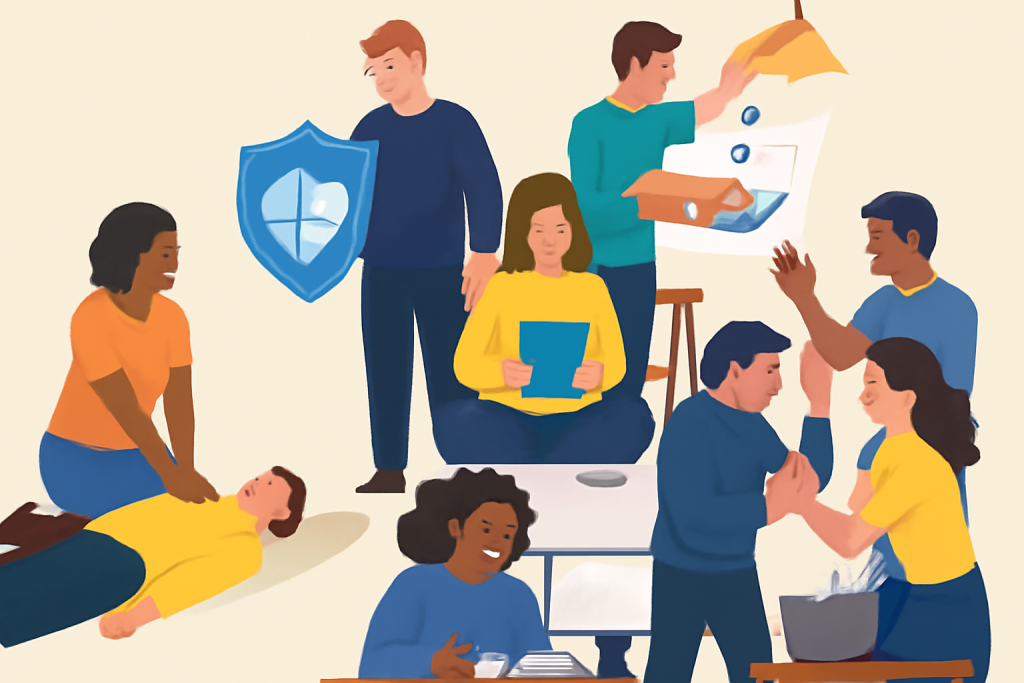
People are exploring skills like:
- First aid and CPR
- Financial management
- Mental health awareness
- Household repairs and maintenance
- Cooking and nutrition
- Conflict resolution
- Self-defense and personal safety
- Digital literacy and cybersecurity
These abilities go beyond textbooks. They directly shape how people function, protect themselves, and support others.
Preparedness Is Becoming a Social Expectation
We live in a time where emergencies both big and small are more visible. Health incidents, natural disasters, workplace accidents, and everyday risks remind us that preparedness is not a niche interest anymore; it’s a social responsibility.
Communities are increasingly encouraging individuals to be prepared so they can:
- Help someone in distress
- Reduce the impact of emergencies
- Support vulnerable populations
- Improve overall community resilience
This mindset is driving thousands toward life-saving programs, especially first aid and CPR courses. What once seemed like optional training is now viewed as a foundational life skill.
Why Hands-On Skills Offer Real Power
Practical skills create a sense of independence that academic knowledge alone can’t provide.
When someone knows how to handle an injury, respond to cardiac arrest, stitch a loose button, fix a minor home issue, or manage personal finances, they feel more capable of handling life’s unpredictabilities. These abilities also reduce stress by giving people confidence in their own capability.
Learning hands-on skills also expands your adaptability. In a constantly changing world, someone who can pivot, troubleshoot, or take charge during unexpected situations stands out whether at work or in daily life.
First Aid & CPR: Among the Most Valuable Life Skills Today
While practical skills span many categories, first aid and CPR consistently rank at the top. Here’s why:
- Medical emergencies can happen anywhere.
- The first few minutes often determine the outcome.
- Bystanders are the true first responders.
- Training builds calm, clear, confident decision-making.
- You may save the life of a loved one, co-worker, or even a stranger.
This is why taking a CPR course whether in Brampton or anywhere else is now considered a basic part of being prepared, not just a requirement for certain professions.
Beyond Education: A Culture of Capability
The rise of practical life skills reflects a deeper cultural transformation. People don’t just want to know what they want to do. They want to feel capable, empowered, informed, and ready for whatever life brings.
This new mindset favors curiosity, adaptability, and hands-on learning. It encourages us to look beyond formal education and ask: What skills do I need to thrive in the real world?
From first aid to financial planning, cooking to crisis response, these competencies are shaping a generation that values readiness and resilience as highly as academic success.
Final Thought
The movement toward practical life skills isn’t a trend it’s a return to what truly matters. The ability to respond, adapt, help, and understand the world around us has always been essential.
Today, more people are rediscovering the value of these abilities and building stronger, more capable lives because of it.