Stickers have a quiet way of showing up where traditional marketing can’t. They fit onto laptops, water bottles, notebooks, and phone cases – items that individuals utilize each day. This is why custom stickers have emerged as a potent branding asset recently.
When brands begin to consider touchpoints beyond digital displays and advertising, solutions like custom stickers in bulk often come up—not as freebies, but as enduring brand symbols that integrate into people’s daily lives.
But what really makes stickers uniquely compelling is their flexibility. They don’t demand attention the way ads do; they earn it through presence. And when designed with thought, they can carry brand identity into spaces that feel personal rather than promotional.
How to Choose the Best Everyday Objects for Sticker Placement
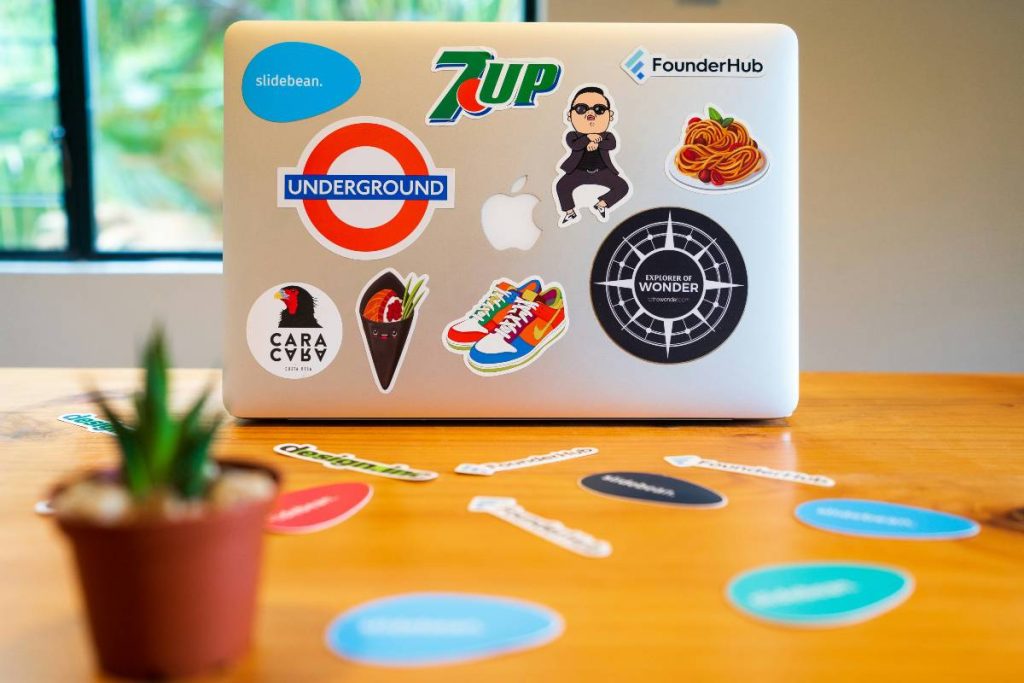
Not every surface is a good brand touchpoint. The most effective sticker placements tend to be objects that travel, are noticed, and continue being used over time. These items serve as your unofficial ambassadors, effortlessly showcasing your brand in diverse environments.
Some of the most common and effective placements include:
- Laptops and slate gadgets
- Eco-friendly water bottles and cups
- Journals, planners, and sketchbooks
- Extensions and tech devices.
- Packaging for shipped products
What all these objects share is visibility and longevity. When promotional stickers land on items people already value, the brand becomes part of their daily landscape rather than an interruption. That’s where the real impact begins.
Designing Stickers That Double as Brand Ambassadors
A design makes or breaks a sticker. The whole idea is not about trying to fit in brand information, but to create something that people will want to stick up somewhere where it is visible.
Strong sticker designs tend to focus on:
- Simple, recognizable visuals
- Clear shapes that read well at a distance
- Branding with less text or icons
- Colors that complement common surfaces
This is where design restraint matters. Businesses in close collaboration with Save Your Ink frequently achieve improved outcomes when stickers resemble design items instead of advertisements. An effectively crafted sticker doesn’t shout marketing; it secures its spot by being attractive to the eye.
Creating Campaigns That Encourage Organic Sticker Sharing
A sticker’s real power and magic come in when people decide to share it. Stickers encourage involvement, unlike flyers and brochures. When someone places your design on their laptop or water bottle, they are giving a personal endorsement, often without realizing it.
Campaigns that encourage organic sharing include:
- Limited edition designs
- Event-related, launch, or milestone-based stickers
- Multiple varieties to make a choice of favorite
- Packaging in which the sticker feels like the bonus, and not the filler.
When the emphasis is on creativity rather than messaging, this works even better. The more the sticker feels collectible or expressive, the more likely it is to travel beyond its original distribution point.
Sticker Integration into Omnichannel Brand Strategy
Stickers truly don’t do their job when they are thought of as tools in and of themselves. Rather, they work best as part of a larger brand ecosystem– one that connects physical and digital experiences.
For example, a sticker might:
- Use a basic logo that’s consistent with the social media branding
- Use colors or symbols associated with an ongoing campaign
- Reinforce visual language used on packaging or websites
When these elements come together, stickers serve as subtle connectors between channels. They remind people of a brand at moments that feel unforced – while commuting, at a café, or in a meeting. Such integration transforms branded stickers into lasting touchpoints rather than temporary promotions.
Measuring Brand Impact from Sticker Campaigns
Physical brand touchpoints come with their complications, one of which is measurement. There are no dashboards or analytics on stickers, but the outcome of a sticker can be evaluated through qualitative and indirect signals.
Common examples of these include:
- More brand recall in discussions or questionnaires
- Organic mentions on social platforms
- Repeat business of customers who were given stickers
- Kinaesthetic awareness through events or shared spaces
Mistakes to Avoid with Stickers for Branding
Simple as they are, stickers can fall short if they’re treated like afterthoughts. A few common missteps tend to reduce their effectiveness:
- Overloading a design with text
- The use of low-quality materials that are quick to peel or fade.
- Ignoring the surfaces on which the sticker is placed.
- Treating the stickers as perishable instead of durable.
When these pitfalls are avoided, the focus is then on quality and usability. When stickers are well-crafted and seem purposeful, people are far more likely to hold onto them and display them.
Conclusion
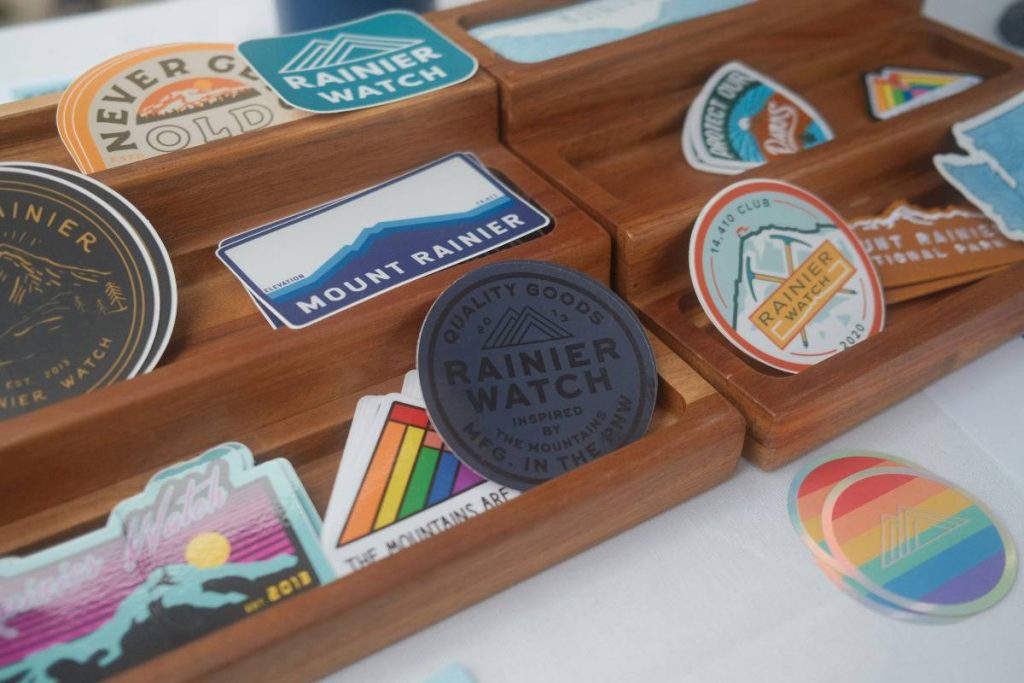
Custom stickers have carved their niche as perhaps the most versatile tool in modern branding. They attach themselves to everyday objects, extending a brand into spaces that can feel personal, familiar, and authentic. The key is to think beyond promotion and into design, placement, and integration.
When stickers are crafted with love, they cease to be advertising devices but rather an integral part of someone’s surroundings. That is when real brand connection takes place.
Your opinions are important to us. Have you ever taken notice of a brand because of a sticker on someone’s laptop or bottle? Or, have you used stickers in your overall brand strategy? Share your thoughts, experiences with us!